Tennis and Padel for heart health: Cardiologist explains.
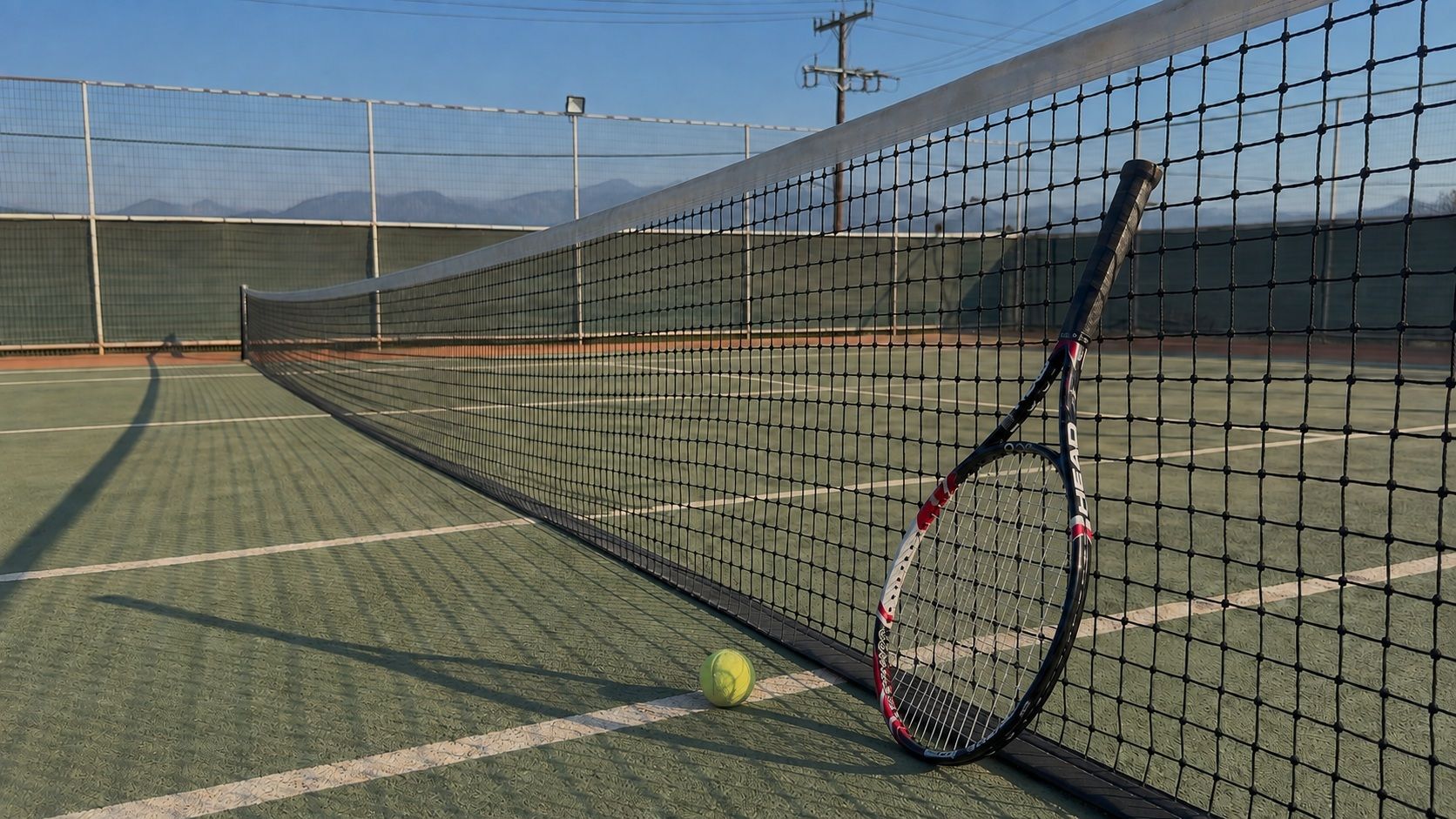
Stand on a court and your heart soon knows that this is exercise
A tennis rally or a fast exchange at the padel net does not look like a steady jog. You accelerate, brake, change direction, recover, concentrate and then go again. That stop-start pattern raises the heart rate, challenges the circulation and recruits muscles throughout the body. It also happens inside a game: there is a score to follow, a ball to chase and usually another person waiting for the next point. For many people, that makes the effort more enjoyable and easier to repeat than a conventional workout.
That matters because the best form of exercise is not simply the one with the most impressive laboratory profile. It is the one a person can do safely, regularly and for years. Large observational studies have repeatedly placed racquet sports among the activities associated with the lowest rates of premature death, including death from cardiovascular disease. These findings are striking, although they do not prove that a racquet causes the benefit. People who play may differ in income, education, baseline health, diet and other habits, even when researchers adjust statistically for many of these factors.
The fairest conclusion is therefore encouraging but measured: racquet sports are an excellent way to accumulate moderate-to-vigorous physical activity, and tennis has particularly substantial long-term evidence. Padel is newer, so direct evidence on heart attacks, stroke and longevity is not yet available. Its match demands and early fitness data nevertheless suggest that it can deliver many of the same ingredients that make tennis heart-healthy.
What does the strongest research show?
In a British cohort of 80,306 adults followed for an average of about nine years, participation in racquet sports was associated with a 47% lower risk of death from any cause and a 56% lower risk of cardiovascular death compared with non-participation in that sport [1]. Swimming and aerobics also showed favourable associations, but the cardiovascular association was strongest for racquet sports. The estimate is often quoted as though playing tennis cuts an individual’s risk by exactly 56%. It does not, it`s relative risk reduction. Also this was an observational comparison, not a randomised data, and the confidence interval was wide because relatively few cardiovascular deaths occurred among racquet-sport participants.
A much larger analysis of 272,550 older adults in the US NIH-AARP study reached a similar conclusion [2]. At the guideline-equivalent volume of 7.5 to under 15 metabolic-equivalent hours per week, racquet sports were associated with a 16% lower risk of death from any cause. For cardiovascular mortality, racquet sports had the largest association among the activities examined: a 27% lower risk. The precise numbers differed from the British study, as would be expected from different populations and methods, but both studies support the idea that racquet sports can form part of a longevity-promoting lifestyle.
The Copenhagen City Heart Study adds a memorable, but easily overstated, result. Researchers compared participation in several sports and estimated that tennis was associated with 9.7 additional years of life expectancy compared with a sedentary lifestyle; badminton was associated with 6.2 years, football with 4.7 and jogging with 3.2 [3]. These are modelled associations from self-reported activity, not years that can be guaranteed by taking up tennis. The very large tennis estimate may partly reflect social and socioeconomic factors that are difficult to remove completely.
Systematic reviews of tennis research report a generally favourable profile: tennis players tend to have better aerobic capacity, lower body fat and more favourable cardiovascular risk markers than inactive controls [4,5]. However, much of the older literature compares people who already choose to play tennis with people who do not. That design cannot fully separate the effects of training from the characteristics of the people attracted to the sport. The consistency across physiology, risk factors and long-term cohorts is reassuring, but scientific caution is still appropriate.
Why tennis and padel can train the cardiovascular system
Both games combine an aerobic base with repeated bursts of harder work. Between points, the heart rate falls only partly; during a rally, rapid movement and forceful strokes drive it upwards again. This resembles naturally occurring interval training. In tennis, match intensity commonly reaches the moderate-to-vigorous range, although singles usually demands more movement than doubles and intensity varies with skill, surface, rally length and playing style. The study concluded that, `independently of ability, tennis match play satisfies the American College of Sports Medicine recommendations for quantity and quality of exercise for the development and maintenance of cardiovascular fitness in healthy adults and seems to be a viable and highly popular mode of healthy activity` [6]. In padel, reviews report average heart rates commonly around 70-80% of maximum, again with meaningful variation between players and matches [8].
Repeated exposure to this workload can improve cardiorespiratory fitness: the ability of the heart, lungs, blood vessels and muscles to transport and use oxygen. Higher cardiorespiratory fitness is one of the strongest predictors of lower cardiovascular and all-cause mortality across the general population [9]. Fitness is not the same thing as being slim, and it cannot be judged reliably by appearance. It is a functional reserve that helps the body meet physical stress with less relative effort.
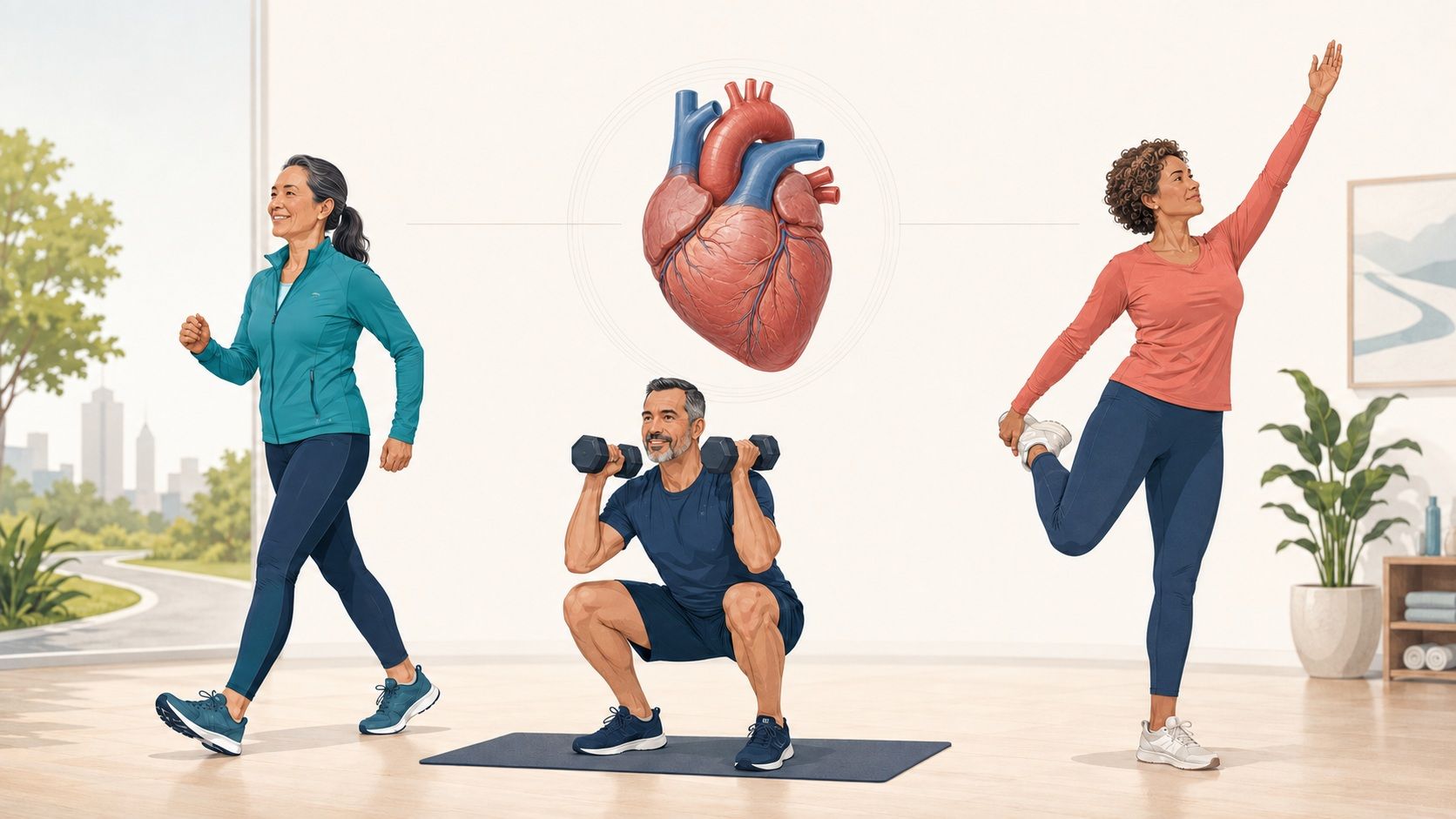
Racquet sports also recruit more than the heart. The legs accelerate and decelerate; the trunk rotates and stabilises; the shoulder and arm transmit force; and the brain processes speed, spin, space and an opponent’s position. That mixture aligns well with modern physical-activity guidance, which encourages aerobic activity alongside muscle-strengthening, balance and multicomponent movement [10,11]. A weekly tennis or padel game does not replace all strength training, but it is substantially more varied than many single-plane activities.
Seven plausible heart benefits
- Better aerobic fitness. Regular play can increase the amount of work performed before breathlessness and fatigue. Tennis studies consistently show higher aerobic capacity in regular players than in sedentary people [4,5]. In a cross-sectional study of middle-aged women, regular padel players demonstrated better estimated cardiovascular fitness than inactive controls, alongside better balance and abdominal endurance [12]. Because that study was not randomised, it shows an association rather than proof that padel caused every difference.
- Lower resting and exercise blood pressure over time. Aerobic exercise improves the ability of blood vessels to dilate and reduces sympathetic overactivity. Across exercise trials, regular aerobic training lowers blood pressure, with particularly useful reductions in people who have hypertension [13]. Tennis and padel can provide that aerobic stimulus, but a match also causes a normal temporary rise in blood pressure.
- Improved glucose regulation. [14] Contracting muscles take up glucose, and repeated activity improves insulin sensitivity. This helps reduce the risk of type 2 diabetes, which is a major driver of coronary disease, stroke, heart failure and kidney disease. A racquet session combines sustained movement with short high-intensity efforts, and may be especially helpful when it replaces sitting. The benefit still depends on the whole week: one match cannot neutralise prolonged inactivity, smoking or a persistently poor diet.
- A healthier lipid and body-composition profile. Regular aerobic activity can lower triglycerides, modestly raise HDL cholesterol and support maintenance of a healthy waist circumference. Older tennis literature and newer observational studies report favourable body fat and lipid patterns among players [4]. These effects are variable and do not make cholesterol-lowering medication unnecessary when it is clinically indicated. LDL cholesterol remains causal in atherosclerosis; exercise and medication have complementary roles.
- Healthier blood-vessel function. Exercise increases blood flow and shear stress along artery walls, stimulating nitric-oxide pathways that help vessels relax. Over time, this supports endothelial function and blood-pressure regulation. Improvements are not unique to racquet sports, but regular tennis or padel is an engaging way to produce the necessary repeated stimulus. [14]
- Less stress and stronger social connection. Doubles play is inherently social, and even singles usually involves a partner, club or league. Social sport may improve mood, reduce perceived stress and strengthen adherence. This is a plausible contributor to the strong cohort findings: the cardiovascular system benefits from the movement, while the person may also benefit from belonging, routine and enjoyment. The Copenhagen investigators proposed that the social aspect could help explain why interactive sports were associated with particularly long life expectancy, although their study could not prove the mechanism [3].
- Better balance, agility and confidence. Falls and frailty can start a spiral of inactivity in later life. Racquet sports challenge reaction, footwork, coordination and balance. Padel’s smaller court and doubles format may make it approachable for some beginners, while the surrounding walls keep the ball in play. It is not automatically low-risk: sudden turns, backward movement and repetitive strokes can still cause injury. Good instruction and sensible progression matter.
Padel: promising, enjoyable and still under-researched
Padel has expanded rapidly in the UK. It is normally played as doubles on an enclosed court, with a solid perforated bat and walls that remain part of play. The word is sometimes written as “paddle”, but “padel” is the recognised name of the sport. Its compact court and underarm serve can reduce the technical barrier for beginners, and the doubles format creates frequent social interaction.
Physiological research confirms that padel is real exercise. Systematic and narrative reviews describe an intermittent workload with repeated accelerations, decelerations and changes of direction, while average heart rate commonly sits in a moderate-to-vigorous zone [8]. Small studies have measured acute changes in heart-rate variability and metabolic substrates after match play, demonstrating a meaningful internal load rather than a gentle knock-about, albeit this study labeled padel as low to moderate intensity exercise [16]. These acute responses should not be confused with evidence of long-term cardiovascular protection.
The most relevant health comparison is therefore not “Is padel proven superior to tennis?” It is “Will padel help this person move more, become fitter and keep returning?” At present, there are no large padel-specific cohorts showing fewer heart attacks or longer life, and no long-term randomised trials with cardiovascular events as outcomes. The sport is too young for that evidence. Padel’s likely cardiovascular value rests on established exercise biology, measured match intensity, early fitness comparisons and its potential for adherence. Tennis has the more mature evidence base; padel may be the more inviting entry point for some people.
Tennis or padel: which is better for your heart?
There is no scientifically defensible winner for every player. Tennis currently wins on depth of evidence. It has decades of physiological research, several long-term cohorts and a substantial public-health literature. Padel wins no equivalent mortality contest because that contest has not yet been run. A claim that padel is superior for preventing heart disease would therefore be premature.
On the court, singles tennis often requires more ground to be covered and can sustain a higher cardiovascular load. That may be useful for a fit player seeking a vigorous workout, but more intensity is not always better. The training effect depends on starting fitness, recovery and dose. A less fit person may receive a strong stimulus from padel or doubles tennis, while an experienced singles player may need long rallies or structured drills to reach the same relative effort.
Padel may have practical advantages for adherence. The serve is underarm, rallies can begin quickly, the court is smaller and the doubles format shares the workload. Beginners often experience successful exchanges sooner, which can make the session feel like play rather than instruction. Conversely, the enclosed court and rebounds demand rapid decisions, and points can become intense. A small court does not mean a small cardiovascular response.
The two sports also load the body differently. Tennis involves a larger court and, particularly in singles, more running. Padel involves frequent short accelerations, low positions, rotations and play near the net and walls. Neither is injury-proof. Previous knee, ankle, Achilles, shoulder or elbow problems may influence the better choice and may justify input from a physiotherapist or coach.
Weather and access matter too. An indoor padel booking may preserve a winter routine when outdoor tennis is repeatedly cancelled. A local public tennis court may be cheaper and easier to use without a club membership. Cost, travel time, compatible partners and booking availability are not peripheral details: they determine whether the theoretical exercise becomes a repeated behaviour.
For many people, the best answer is to mix formats. A coached session can develop skill without the emotional intensity of a match; doubles can provide a moderate social workout; singles or conditioned drills can add vigorous intervals. Variety also distributes load and reduces boredom. If one format leaves you exhausted for several days, produces recurring pain or triggers concerning symptoms, the dose is wrong even if the sport is generally healthy.
Choose the court you look forward to. Then make the session sufficiently regular and progressive to improve fitness. From a cardiovascular perspective, consistency beats tribal loyalty.
How much should you play?
For general health, UK and international guidance recommends at least 150 minutes of moderate-intensity aerobic activity each week, or 75 minutes of vigorous activity, or an equivalent combination. Adults should also strengthen major muscle groups on at least two days and reduce long uninterrupted sitting [10,11]. A brisk doubles session may be moderate for one player and vigorous for another. Singles tennis often produces a higher workload than doubles, but a competitive padel match can also be demanding.
Use the talk test rather than relying entirely on a wrist watch. At moderate intensity you can speak in sentences but would struggle to sing; at vigorous intensity you can manage only a few words before taking a breath. Consumer heart-rate devices can be useful for trends, but rapid arm movement and poor skin contact may reduce accuracy. Do not chase an arbitrary heart-rate target if you feel unwell.
A practical starting plan for an inactive adult is one coached 45-60 minute session each week, plus brisk walking on several other days. Begin with a thorough warm-up, shorter points and planned rests. Over four to eight weeks, increase either the session duration, the number of sessions or the intensity – not all three at once. Add two brief strength sessions focusing on calves, thighs, hips, trunk, upper back and shoulders. Recovery, hydration and sleep are part of the training plan, not signs of weakness.
For long-term benefit, regularity matters more than a heroic occasional match. Two enjoyable sessions most weeks, supported by everyday walking and strength work, is a better cardiovascular strategy than playing to exhaustion once a month.
Who should seek medical advice before starting?
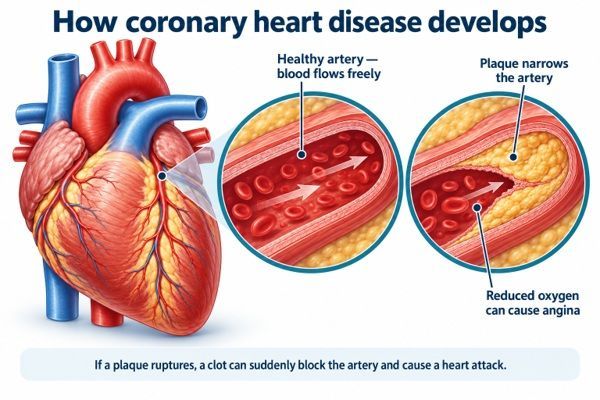
Most people can build towards recreational racquet sport safely. Exercise temporarily increases cardiac demand, however, and vigorous unaccustomed activity can trigger symptoms in someone with underlying disease. Arrange a clinical review before hard play if you have known coronary disease, heart failure, significant valve disease, cardiomyopathy, an inherited heart condition, complex arrhythmia or an implanted cardiac device. The 2020 European Society of Cardiology sports-cardiology guideline supports physical activity for people with cardiovascular disease, but recommends individual risk assessment and tailored advice [17].
Also seek advice if you have unexplained chest pressure, disproportionate breathlessness, blackouts or near-blackouts, sustained palpitations, or a marked recent decline in exercise capacity.
Risk is not determined by age alone. A healthy 70-year-old who walks daily may be ready to progress sooner than a sedentary 45-year-old with diabetes, smoking history and untreated hypertension. Conversely, a diagnosis does not automatically prohibit play. Modern sports cardiology favours shared decision-making: define the condition, estimate risk, optimise treatment and agree on an intensity that is both safe and worthwhile [17].
Playing safely: protect the habit that protects the heart
Warm up for at least 10 minutes with walking or gentle jogging, mobility work and progressively faster strokes. A warm-up allows heart rate and blood pressure to rise gradually and prepares tendons and muscles for changes of direction. Cool down rather than stopping abruptly after an intense final point.
Hydrate according to conditions and session length. Heat and dehydration raise cardiovascular strain; heavy alcohol intake after play adds further dehydration and can provoke arrhythmias in susceptible people. During hot weather, play earlier or later, use breaks and reduce intensity. If you take diuretics or medicines that affect heart rate or blood pressure, ask your clinician how heat and exercise may alter your response.
Use appropriate footwear and learn efficient movement. Padel and tennis involve lateral loading, rotation and rapid braking. A coach can help a beginner avoid overreaching for every ball and can scale drills to fitness. Build the calf, quadriceps, hamstring, gluteal and trunk muscles. Injury prevention is cardiovascular prevention in disguise: staying pain-free makes continued activity possible.
Finally, treat symptoms as information, not an opponent to defeat. Normal exertion causes a faster pulse, warmth and breathlessness that settle with rest. Chest tightness, faintness, a racing irregular heartbeat that persists, or breathlessness far beyond the effort deserves attention.
Summary
Racquet sports occupy a useful sweet spot. They can deliver aerobic exercise, short higher-intensity bursts, whole-body movement, balance, skill and social connection in one enjoyable session. Large cohorts associate racquet-sport participation with lower all-cause and cardiovascular mortality, and tennis has an established literature showing favourable fitness and risk-factor profiles [1-5]. Those studies are compelling, but they are not proof that the sport alone causes the full observed benefit.
Padel offers many of the same physiological ingredients and may be particularly good at getting beginners onto a court and bringing them back. Its direct long-term heart evidence remains limited, so claims should stay proportional to the science. Whether you choose tennis, padel, badminton or squash, the central prescription is the same: start at the right level, play regularly, add strength work, and seek individual advice when symptoms or heart disease make the risk less certain.
The heart does not award bonus points for choosing the fashionable court. It benefits from safe, repeated movement that you enjoy enough to continue.
References
- Oja P, Kelly P, Pedisic Z, et al. Associations of specific types of sports and exercise with all-cause and cardiovascular-disease mortality: a cohort study of 80,306 British adults. Br J Sports Med. 2017;51:812-817. doi:10.1136/bjsports-2016-096822.
- Watts EL, Matthews CE, Freeman JR, et al. Association of leisure time physical activity types and risks of all-cause, cardiovascular, and cancer mortality among older adults. JAMA Netw Open. 2022;5:e2228510. doi:10.1001/jamanetworkopen.2022.28510.
- Schnohr P, O’Keefe JH, Holtermann A, et al. Various leisure-time physical activities associated with widely divergent life expectancies: the Copenhagen City Heart Study. Mayo Clin Proc. 2018;93:1775-1785. doi:10.1016/j.mayocp.2018.06.025.
- Pluim BM, Staal JB, Marks BL, Miller S, Miley D. Health benefits of tennis. Br J Sports Med. 2007;41:760-768. doi:10.1136/bjsm.2006.034967.
- Spring KE, Holmes ME, Smith JK. Long-term tennis participation and health outcomes: an investigation of ‘a sport for life’. Int J Environ Res Public Health. 2020;17:7988. doi:10.3390/ijerph17217988.
- Fernandez-Fernandez J, Sanz-Rivas D, Mendez-Villanueva A. A review of the activity profile and physiological demands of tennis match play. Strength Cond J. 2009;31:15-26. doi:10.1519/SSC.0b013e3181ada1cb.
- Sánchez-Alcaraz BJ, Siquier-Coll J, Toro-Román V, et al. The role of padel in improving physical fitness and health promotion: progress, limitations, and future perspectives – a narrative review. Int J Environ Res Public Health. 2022;19:6582. doi:10.3390/ijerph19116582.
- Kodama S, Saito K, Tanaka S, et al. Cardiorespiratory fitness as a quantitative predictor of all-cause mortality and cardiovascular events in healthy men and women: a meta-analysis. JAMA. 2009;301:2024-2035. doi:10.1001/jama.2009.681.
- Bull FC, Al-Ansari SS, Biddle S, et al. World Health Organization 2020 guidelines on physical activity and sedentary behaviour. Br J Sports Med. 2020;54:1451-1462. doi:10.1136/bjsports-2020-102955.
- UK Chief Medical Officers. UK Chief Medical Officers’ Physical Activity Guidelines. Department of Health and Social Care; 2019.
- Courel-Ibáñez J, Cordero JC, Muñoz D, et al. Fitness benefits of padel practice in middle-aged adult women. Sci Sports. 2018;33:291-298. doi:10.1016/j.scispo.2018.01.011.
- Cornelissen VA, Smart NA. Exercise training for blood pressure: a systematic review and meta-analysis. J Am Heart Assoc. 2013;2:e004473. doi:10.1161/JAHA.112.004473.
- Chao HH, Chen SY, Lan C, et al. Influences of recreational tennis-playing exercise time on cardiometabolic health parameters in healthy elderly: the EXERNET study. Int J Environ Res Public Health. 2021;18:1255. doi:10.3390/ijerph18031255.
- Pradas F, Toro-Román V, de la Torre A, et al. Acute effects of padel match play on circulating substrates, metabolites and muscle damage markers. Appl Sci. 2023;13:13281. doi:10.3390/app132413281.
- Pelliccia A, Sharma S, Gati S, et al. 2020 ESC Guidelines on sports cardiology and exercise in patients with cardiovascular disease. Eur Heart J. 2021;42:17-96. doi:10.1093/eurheartj/ehaa605.
Written with assistance of AI, checked by Dr Bart Olechowski for accuracy.